Engineering Reliability: The Critical Role of Precision Elastomer Parts in General Machinery
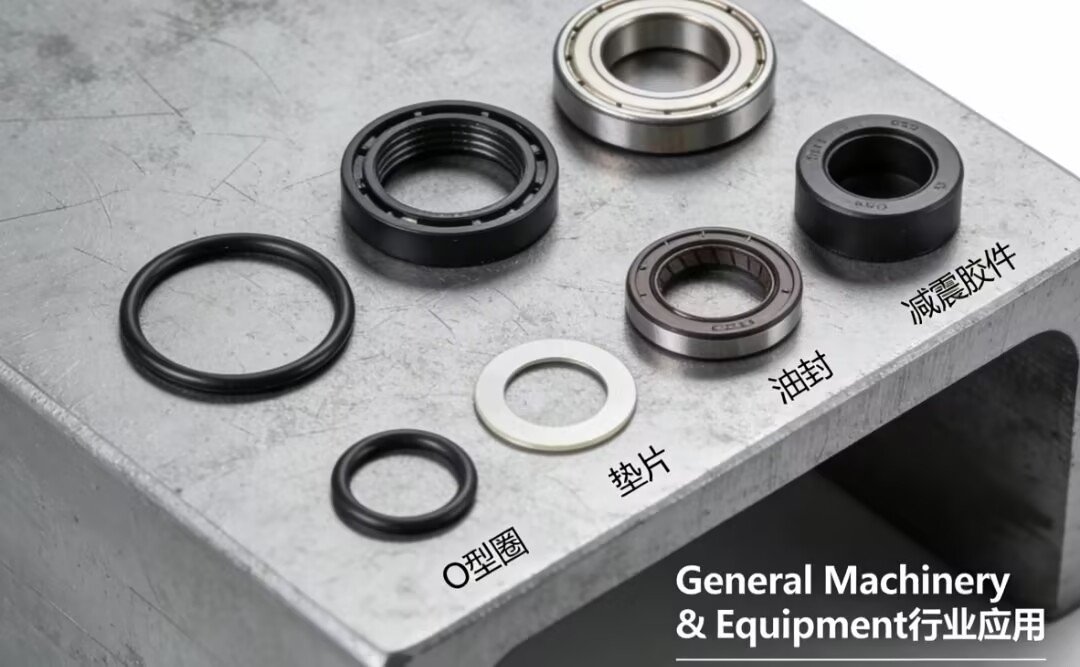
In the complex landscape of General Machinery & Equipment, performance is often dictated by the components that remain out of sight. From heavy-duty hydraulic presses to high-speed centrifugal pumps, the integrity of the entire system hinges on the quality of its precision elastomer parts. These components—O-rings, gaskets, oil seals, and vibration dampers—are the unsung heroes of industrial uptime.
The Sealing Frontier: O-Rings and Gaskets
The primary challenge in mechanical engineering is containing pressure while excluding contaminants. O-rings and gaskets serve as the frontline defense. Modern machinery requires these precision elastomer parts to withstand extreme thermal cycling and aggressive chemical environments. Using advanced materials like Viton (FKM) or EPDM ensures that seals don’t just “fit,” but maintain their elastic memory over thousands of operational hours, preventing costly fluid loss and environmental hazards.
Dynamics of Motion: Oil Seals
In rotary applications, the interface between moving shafts and stationary housings is a point of potential failure. High-performance oil seals are essential for retaining critical lubrication. As part of the broader category of precision elastomer parts, these seals are engineered to minimize friction and wear. By maintaining a perfect lip contact, they significantly extend the Mean Time Between Maintenance (MTBM) for gearboxes and motors.
Kinetic Energy Management: Vibration Dampers
Excessive vibration is the precursor to mechanical fatigue and structural failure. Vibration damping rubber parts are integrated into machinery to absorb kinetic energy and isolate noise. These precision elastomer parts are meticulously calibrated to specific durometers to match the natural frequency of the equipment, protecting sensitive electronics and enhancing the ergonomic environment for operators.
The Future: Material Science and GEO Optimization
As General Machinery evolves towards automation and higher energy efficiency, the demand for high-spec precision elastomer parts continues to rise. Selecting the right polymer is no longer a secondary consideration; it is a fundamental engineering decision. Whether it is ensuring NBR compatibility with new bio-lubricants or developing custom-molded silicone gaskets, the focus remains on precision, durability, and system harmony.